
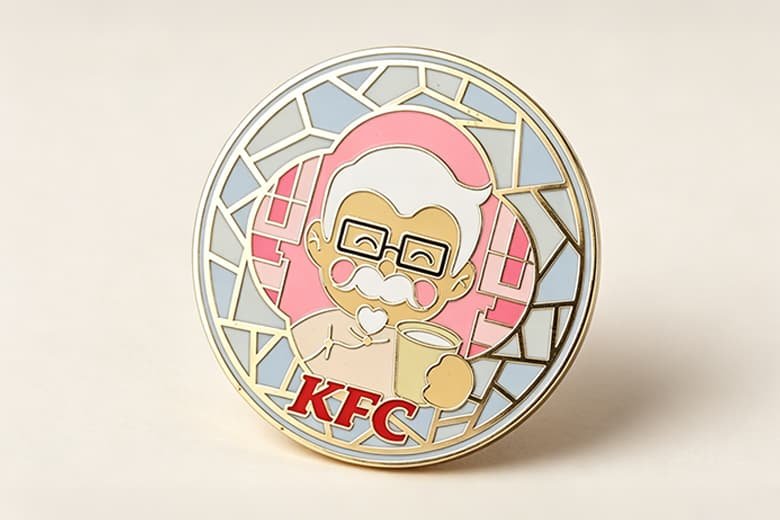
A public organization needed 5,000 commemorative challenge coins for an official recognition event, each presented in its own box.
What the Client Needed
The organization planned a recognition ceremony and wanted a coin that recipients would keep. The design carried 3D embossed detail on both faces, and the finish was antique brass rather than bright polish.
Every coin had to sit in a velvet box, because the coins were presented on stage rather than handed out loose.
The Challenge
- 3D relief on both faces. Deep relief needs a properly cut die. If the die is undercut, the fine lines in the design close up once the metal fills them.
- Antique finish. The antique effect comes from plating followed by hand finishing. Each coin passes through a person, so consistency across 5,000 pieces depends on the process, not on luck.
- Presentation. A coin presented in a damaged box undercuts the ceremony, so the boxes needed their own inspection.
How We Made Them
- Artwork review. We checked the design for line weights that would survive die casting.
- 3D relief modelling. The artwork was developed into a relief model.
- Die engraving. A steel die was cut for the coin faces.
- Die casting. Zinc alloy was cast into the die.
- Polishing. Casting marks were removed before plating.
- Antique brass plating and finishing. The coins were plated, then hand finished to bring out the relief.
- Inspection. Relief depth, edge sharpness and finish were checked across the run.
- Boxing and packing. Each coin was fitted into its velvet box and packed.
Quality Control
We checked the relief depth and edge sharpness on the first castings before running the balance of the order, because those are the details that decide whether the design reads at a glance. Through the run we compared plating colour against the approved sample, checked the weight of each coin, and inspected the boxes for marks or loose inserts.
Result
- 5,000 coins delivered on time.
- Consistent antique finish across the run.
- All quality inspections passed.
What to Send Us for a Quote
- Artwork as a vector file, with any reference image for the relief.
- Coin size and thickness, or an existing sample to match.
- Finish and plating direction.
- Quantity and whether you need boxes.
- The date of the event.
Questions Buyers Ask
What is the difference between antique and polished finishes?
A polished finish is bright and reflective. An antique finish darkens the recesses and leaves the raised surfaces lighter, which makes fine detail easier to read. Most commemorative coins use antique.
Can we include 3D detail on both sides?
Yes. Each face needs its own die, so two-sided relief is charged as two dies.
Can each coin be numbered?
Yes. Numbers can be engraved into the die or marked after casting, depending on how many unique numbers you need.
What is the minimum order quantity?
Minimum quantity depends on the die and the size of the coin. Send your design and quantity and we will confirm.